Save 5% with multi-pet discount.
Breed guides
Everything you need to know about King Charles Spaniels
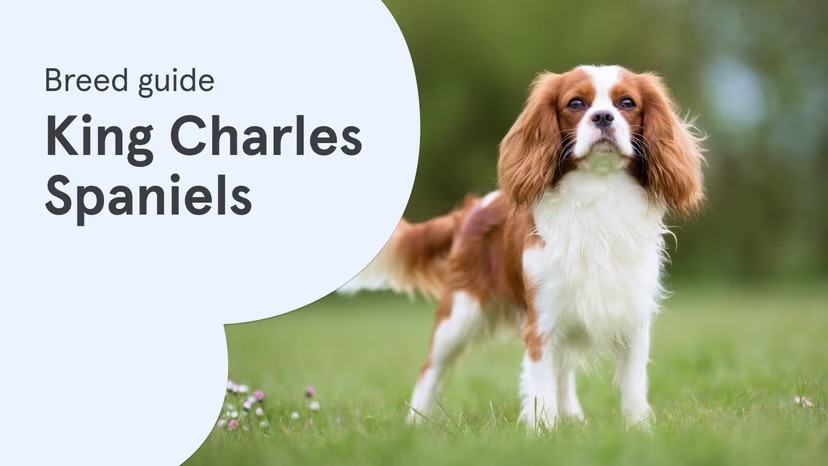
Summary
Throughout history, the King Charles Spaniel has been a loving and charming companion dog.
Key stats
Height: 23 to 28cm
Weight: 3.5 to 6.3kg
Size: Small (Toy)
Lifespan: 10 to 12 years
Coat: Medium, silky
Exercise: 1 hour daily
Grooming: Daily or weekly
Temper: Gentle, loving, loyal
Breed history
The King Charles Spaniel is closely related to the Cavalier King Charles Spaniel. But despite the similar look and name, they are different breeds! But their history is pretty linked.
The King Charles Spaniel, also known as the English Toy Spaniel in America, has a long history as a companion dog. They became all the rage in England in the 17th century. They're named after King Charles II who loved them. In fact, most portraits of thim also feature one of his furry friends. He owned them throughout his life and many facts (and fables) exist about what he let them get up to. Like going into Parliament!
Then in the Victorian era, there was a trend towards dogs with flat faces and shorter noses. This led to the King Charles Spaniel being bred to have a more rounded head and shorter muzzle. In 1945, The Kennel Club in the UK officially recognised the King Charles Spaniel. So short snout = King Charles Spaniel!
In the early 20th century, people wanted to bring back the original look of the spaniels from the time of King Charles II. In other words, they wanted a longer snout. This led to the creation of the Cavalier King Charles Spaniel, which is it's own recognised breed.
Appearance
The King Charles Spaniel is a cute and elegant small breed, with an equally sweet personality. They have large, round, dark eyes that give them their adorable puppy-like expression. Their curly ears are set high and hang close to the skull, framing their faces and giving them a regal look. They have a medium-length, silky coat and like many spaniels, they have feathers on their chest and legs, and a long plumed tail.
King Charles Spaniel colours
There isn't a huge range of colours for this breed, and are mostly shades of white, red, or black. The King Charles Spaniel colours recognised by the Kennel Club breed standard are:
Black
Tan
Red
Chestnut
Black & tan
Black, tan & white
Red & white
King Charles Spaniel temperament
The King Charles Spaniel temperament is that of a gentle and loving dog. This breed thrives with a lot of attention and spending time with their owners. They were bred to be companions and pets, so they love human company. But it does mean they can struggle with separation anxiety.
These Spaniels can be shy around new people. But if they're well-socialised when they're young, it helps them be more confident. But once they know you, they're super playful and affectionate. One thing for sure is they're very loyal and loving, making them great pals for anyone who wants a small, friendly dog with a regal appearance.
How much exercise does a King Charles Spaniel need?
King Charles Spaniels need at least one hour of exercise a day. They might be small, but they're still smart and active! Besides walks, mentally stimulating games will help keep their intelligent brains working, and prevent boredom. These dogs love being around people, especially their human family, and need a lot of human interaction.
How to groom a King Charles Spaniel
King Charles Spaniels have a silky, medium-length coat with feathers on the ears, chest, legs, and tail. They need regular grooming to stop their feathers from getting tangles and prevent matting. You should brush them a few times a week to help get rid of any dirt and dead hair in their coat, and prevent matting and tangles.
As well as brushing, they'll need the occasional bath every 6 weeks or so, or whenever they get visibly dirty or smelly. King Charles Spaniels, like other Toy breeds, can have tear stains. You can help prevent the rusty stains from developing by gently wiping around their eyes daily with a damp cloth.
Like all spaniels, their droopy, hairy ears make them prone to ear infections. So you should check their ears regularly, and clean them whenever you need to prevent dirt or wax buildup. And like any other dog, you should trim their nails every month. And brush their teeth regularly, ideally once a day, to help prevent dental disease.
Common King Charles Spaniel health problems
Heart disease
Heart disease is the most common health issue in King Charles Spaniels. It's caused by degeneration of one of the heart valves. Sadly it can't be prevented or cured, but it can be managed. Regular check-ups can catch any issues early. This is vital because starting medication before the heart starts to fail has been proven to help dogs with heart disease live longer.
Dental disease
Dental disease is common in all dogs, but it's a particularly common health problem for King Charles Spaniels because of their short muzzle. This can lead to their teeth overcrowding which increases their risk of dental disease. Tartar builds up on their teeth, which makes gums inflamed and recede, and leads to infection and loose teeth. Bacteria can enter the bloodstream through diseased gums leading to kidney damage. Regular teeth cleaning helps prevent tartar build up. Your vet can give you more advice on keeping their mouths healthy.
Eye problems
Eye problems are relatively common in King Charles Spaniel health problems. Dry eye happens when there aren't enough tears produced to keep the surface of the eye lubricated. This can lead to inflammation, infection, scarring, and ulceration of the surface of the eye. Corneal ulcers can also happen from eye trauma or infections. Another prblem to look out for it cherry eye. This is when the tear gland protrudes from under the eyelid and becomes dramatically visible.
Luxating patella
Luxating patella is a common issue in most toy breeds, including the King Charles. It's where the kneecap slips out of place. In severe cases surgery may be needed to treat this.
Anal gland issues
Anal glands hold liquid that usually empties when dogs poop. In some dogs, they don't and get full and uncomfortable. It can also lead to abscesses and infections. Chewing around the tail or scooting on the floor can be a sign of blocked anal glands. Emptying of the anal glands can be improved with diet and supplements, which your vet can advise you on. Sometimes anal glands need to be surgically removed if they're causing frequent issues.
Syringomyelia
Syringomyelia is a neurological disorder related to the dome-shaped skull of the King Carles Spaniel. Bones can deform and press on the spinal cord causing pressure and fluid to build up in the spinal cord at the neck. Symptoms might seem odd, like 'fly catching' and air scratching.
*Average time to settle all claims between May and November 2025
Napo Limited is registered in England and Wales (company number: 13281620). Our address is 2 Jubilee Place, London, SW3 3TQ. Napo is a trading name of Napo Limited who, for the purposes of insurance, is authorised and regulated by the Financial Conduct Authority (ref: 994239). Our entry on the Financial Services Register can be checked for details of our permissions. We are also registered with the Information Commissioners Office in relation to the processing of personal information (reg. no: ZB073689). Defaqto 5 Star Rating applies to Napo £4,000 pet insurance.
What we cover is subject to terms and conditions in our policy.
4.5 Excellent