Wellbeing
Ask the vet
Heatstroke in dogs: The dangers of a hot dog and how to cool them down
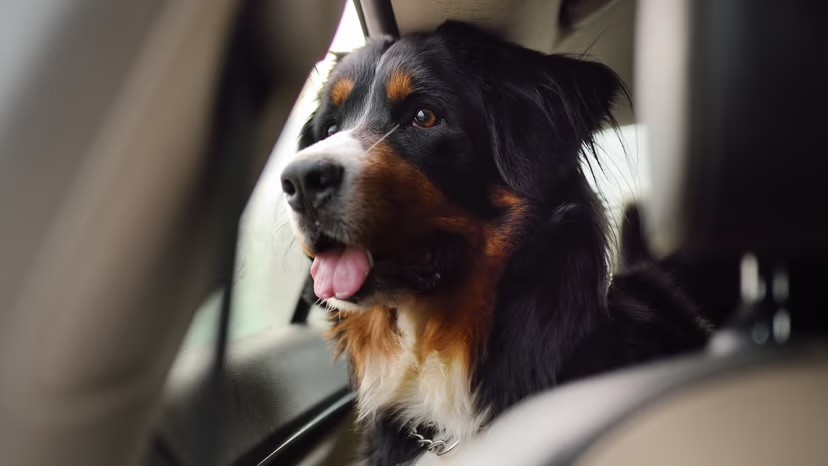
While we all love being outside on the warm dog days of summer, exercising in hot weather can be a big risk for our furry friends. Even just a gentle walk on a hot day can lead to your dog developing heatstroke.
Most pets can suffer from heatstroke, but it most commonly affects dogs. It's a potential killer, so it's important all pet parents know how to prevent it, and what to do if they think their dog is too hot.
Our comprehensive guide tells you all you need to know about heatstroke in dogs, including what to look out for, and what to do to keep your pet safe this summer.
What is heatstroke in dogs?
Heatstroke in dogs is a life-threatening illness where your pup overheats and can't cool down. A dog's body temperature is usually around 38°C to 39°C, but when it rises to 40°C and over they are likely suffering from heatstroke.
This abnormally high body temperature will make your dog sick. It can disrupt their bodily functions and damage their internal organs.
Why do dogs get heatstroke?
Dogs aren't very good at keeping cool. They can only sweat on furless areas of their body like their paws. Instead, they lose most of their excess body heat by panting.
If a dog gets too hot, they start to gain heat faster than they can lose it. That means they can no longer regulate their body temperature and cool themselves down, so they just get hotter and hotter unless their owner or a vet helps cool them down.
Heatstroke is a serious risk to your dog's life, which is why you must be able to spot the signs of heatstroke in dogs and know how to treat it.
Side effects of heatstroke in dogs
Heatstroke in dogs can cause dehydration, lethargy, and illness like vomiting and diarrhoea. Eventually, it will start to disrupt your dog's nervous system and cause neurological problems like loss of coordination and seizures.
The extreme heat will also start to damage their internal organs, and in severe cases, they could suffer organ failure.
Sadly, around 14% of cases of heatstroke in dogs are fatal. However, one study claimed the mortality rate to be as high as 50%.
What causes heatstroke in dogs?
Heatstroke can happen at any time of year if your dog gets too hot. However, it's far more common in the summer months between May and September.
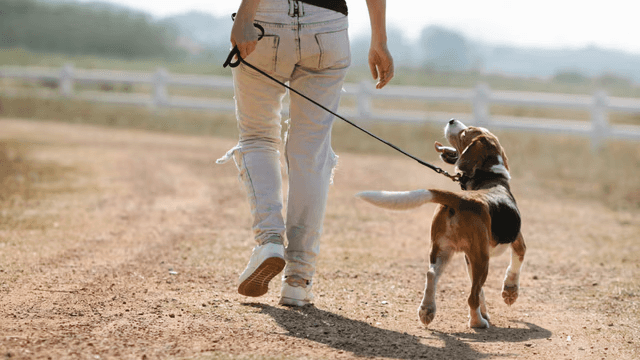
According to the PDSA, 74% of cases of heatstroke in dogs are caused by overheating during exercise. Even just a gentle walk on a hot day is enough to cause heatstroke in dogs.
Around 13% of cases are caused by dogs being unable to cope in hot weather. These are typically dogs who aren't used to hot weather, or their physical shape and features make it harder for them to keep cool.
The rest of the cases are caused by dogs being left in hot buildings or cars without proper ventilation. So although we all know dogs die in hot cars, a walk on a hot day is just as likely to put your dog's health in danger.
Are some dogs more likely to get heatstroke?
Dogs of any age or breed can suffer from heatstroke. However, some dogs are more vulnerable to developing heatstroke. This includes old dogs, active dogs, flat-faced dogs, large breeds, and overweight dogs.
Old dogs can't keep cool
Old dogs are at risk because they're not as good at regulating their body temperature as younger dogs due to age-related health conditions.
Energetic dogs are more likely to overheat
Very active dogs including working dogs or energetic individuals are at greater risk of heatstroke. This is because they are more likely to exercise too much in hot weather, causing themselves to overheat.
Certain breeds are at risk
Your dog's breed can also make them more at risk of suffering from heatstroke. Some of the breeds at higher risk include:
Chow Chows
Bulldogs
French Bulldogs
Dogue de Bordeaux
Greyhounds
Cavalier King Charles Spaniels
Pugs
Golden Retrievers
Springer Spaniels
Short snouts are a risk factor
Flat-faced (brachycephalic) breeds are more at risk of heatstroke in dogs because they are unable to cool themselves down effectively.
Normally, a dog pants to cool themselves down and the heat in their body evaporates away through their breath and saliva. But flat-faced breeds have tight nostrils, small throats, and large tongues, which means they can't pant as well as other dogs and can't breathe out as much hot air.
They also have short snouts, which means a lower surface area for saliva and heat to evaporate away from. So they can't lower their temperature as well as a dog with a long nose.
To find out more about why flat-faced breeds seem more vulnerable to certain health conditions, listen to our podcast with veterinarian Dr Emma Milne.
Big breeds and overweight dogs are vulnerable
Large and giant breeds are also at greater risk of heatstroke. Dogs that weigh more than 50kg are 3.42x more likely to suffer from heatstroke compared to a <10kg dog.
Size has a big impact on your dog's likelihood of suffering from heatstroke. Dogs who simply weigh more than average for their breed, including overweight and obese pets, are almost 1.5x more likely to suffer from heatstroke.
Thick fur can cause hot dogs
Finally, dogs with very long or thick fur are vulnerable to suffering from heatstroke. Arctic breeds like Alaskan Malamutes and Siberian Huskies are bred to withstand cold temperatures and retain heat, so they can struggle to cool themselves down in hot weather.
Symptoms of heatstroke in dogs
The clinical symptoms of heatstroke in dogs are:
Excessive panting
Excessive drooling
High temperature (40°C or more)
Stiffness
Lethargy
Reluctance to move
Vomiting (which may be bloody)
Diarrhoea (which may be bloody)
Wobbly, uncoordinated movement (Ataxia)
Confusion or disorientation
Collapse
Seizures
Coma
Treatment for heatstroke in dogs
If you think your dog is suffering from heatstroke, you must keep them calm, still, and cool. You must also call your vet for advice and take your dog into the veterinary practice as soon as advised.
You should follow the tips to cool your dog down before going to the vet and (if possible) on your way to the vets. Early treatment for heatstroke in dogs is key to a dog's survival.
How to cool your dog down
Move your dog into a cool, shaded area or in front of a fan
Use an umbrella or other shelter to make shade
Poor cool water over them (never use cold or iced water as this will constrict their blood vessels, making them lose less heat)
Never immerse your dog in cold water as this can cause shock or constrict their blood vessels, making them warmer
Fan your dog or place them in an air-conditioned area - this is even more effective if you've poured some water on them
Keep them calm and still - too much movement can cause overheating and cardiac distress because heatstroke makes their heart unstable
Give them a drink of water if your dog is alert and able to drink safely - this will help to cool them and prevent further dehydration.
You should keep your dog still, in the shade, and continue pouring water onto them until their breathing goes back to normal. While cooling your dog down, you must also call your vet for advice.
How to prevent heatstroke in dogs
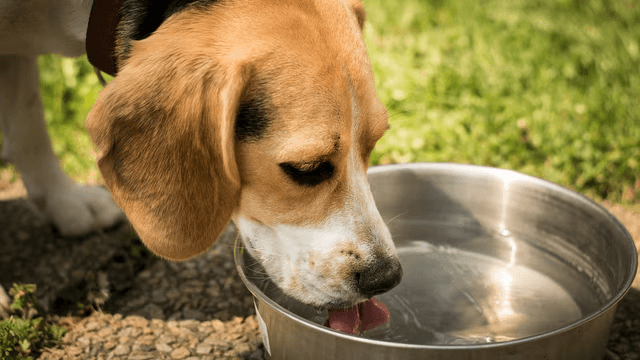
The key to preventing heatstroke in dogs is keeping your dog cool and hydrated in hot weather. You can keep your pup safe by following these tips:
Make sure your dog always has access to a bowl of clean water to drink from
Always take water with you when you go out so your dog can have a drink
Avoid strenuous exercise in hot weather
Try going for walks in cooler hours in the early morning and late evening
Avoid going outside with your dog between 11am and 3pm when the sun is strongest
Make sure your dog always has a cool space out of direct sunlight where they can rest
Put a damp towel or a cool mat on their bed
Freeze some chews or chew toys for a cooling treat
Never leave your dog alone in a hot car or house
Although the sunshine and warm weather might be beckoning you and your pooch outside, it's important you follow these tips to keep them safe and prevent avoidable illness like heatstroke in dogs.