Save 5% with multi-pet discount.
Breed guides
Everything you need to know about English Cocker Spaniels
Summary
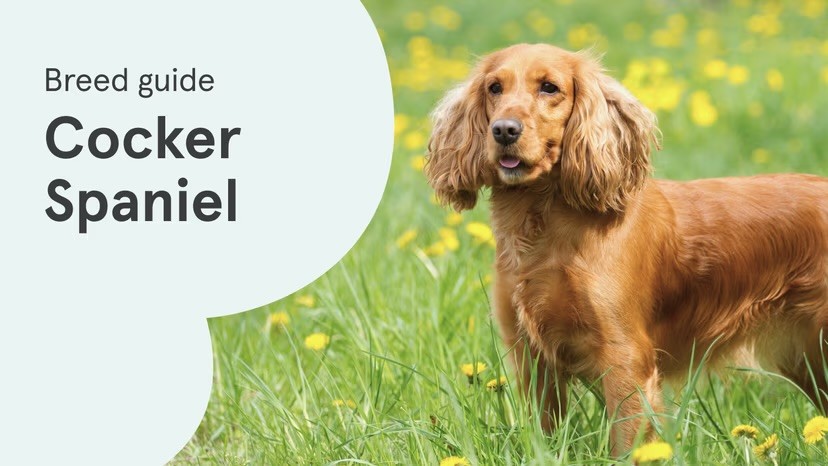
A great gundog that's now a popular pet. It's hard to resist the cute Cocker Spaniel!
Key stats
Height: 38 to 44cm
Weight: 11 to 15kg
Size: Small
Lifespan: 11 to 13 years
Coat: Medium, curly
Exercise: 1 to 2 hours daily
Grooming: Weekly
Temper: Friendly, energetic, playful
Breed history
Spaniels, including English Cocker Spaniels, have centuries of history. But although they've existed for over 500 years, they were no specific breeds until the 1800s.
The Cocker Spaniel was bred as a working gundog. Originally, they were the same as the English Springer Spaniels. But when a Springer weighed less than 9kg, they were used to hunt woodcock and became known as "Cockers".
This happened with other spaniels too, like the Sussex Spaniel. When a dog was smaller than average, they were known as Cockers.
Eventually, Cockers became their own breed and divided into two lines, one for showing and one for working. And although they are still widely used as working dogs as gundogs and detection dogs, the English Cocker Spaniel has become one of the most popular pet dogs in the UK.

Meet Nala the Cocker Spaniel!
This gorgeous girl is Nala! She's insured with Napo and gets up to all sorts of adventures which you can follow on instagram @nalaandalfiesadventures. Thank you Rachael for the photo! 💙
Appearance
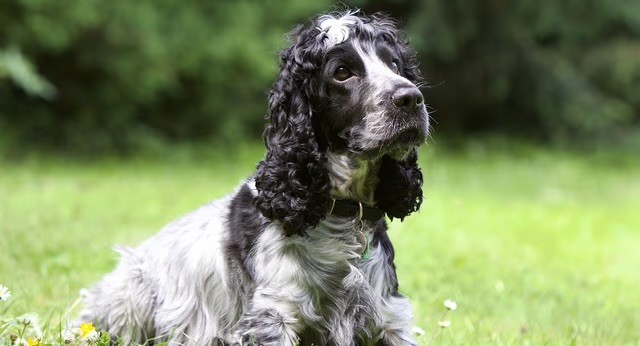
Cocker Spaniels are compact dogs, about as tall as they are long. Like most spaniels, they have long ears covered in thick curly fur. Their coat is medium length and can be sleek or curly, and has longer "feathers" on their legs and chest. They're also well-known for their round, dark eyes which give them an adorable puppy-eye appearance.
Cocker Spaniel colours
English Cocker Spaniels have a wide variety of colours and patterns, more than most breeds of dog. The Cocker Spaniel colours recognised by the breed standard are:
Black
Black and white
Black, white, and tan
Black and tan
Red
Red and white
Red roan
Golden
Lemon
Lemon and white
Lemon roan
Blue roan
Blue roan and tan
Liver
Liver and white
Liver and tan
Liver, white, and tan
Liver roan
Liver roan and tan
Sable
Sable roan
Cocker Spaniel temperament
The typical Cocker Spaniel temperament is active, bright, and loving. As the breed standard says, they have a "merry nature with an ever-wagging tail", and they are a very happy go lucky pup.
As well as being cheerful and good-natured, English Cocker Spaniels are very affectionate. They dote on their human family members, and can be prone to separation anxiety without training. They're also well known for their energy, and they are a typical bouncy and playful Spaniel.
Being so active, and a working breed, you need to be prepared to give your Cocker plenty of exercise and stimulation to prevent boredom. Luckily, these dogs love human company and are as cuddly as they are cute, so it's hardly a chore to spend time with them!
How much exercise does a Cocker Spaniel need?
Cocker Spaniels were originally bred as a working gundog, so they were born to be out in the field fetching things for hours. Ideally, you should dedicate at least 1 hour a day to walking your Cocker. (Although they certainly won't complain if you can manage more!)
Your dog doesn't just need physical exercise though. English Cocker Spaniels are clever canines and need mental stimulation too. You can play some indoor games with your pup or carry out regular training to exercise their brains. It'll build your bond too!
How to groom a Cocker Spaniel
English Cocker Spaniels have a thick double coat, that's waterproof as long as you don't clip it. Despite their medium-length fur and curls, they're pretty easy to care for when it comes to grooming.
You'll need to brush your Cocker Spaniel at least once a week, preferably twice. Pay particular attention to their feathers and ears, as grass seeds and dirt can get stuck in the long fur.
Cockers only need a bath when they are visibly dirty, or smelly. Although most of the time, just giving them a rub down with a towel after a walk is enough to get any mud off them.
Ideally, you should brush your Cocker Spaniel's teeth a few times a week too to prevent dental disease. You can find out about how to keep your dog's teeth clean and healthy in this guide.
Common English Cocker Spaniel health problems
Allergies & skin problems
One of the most common Cocker Spaniel health problems is atopy, or allergies. This can cause itchy skin, but it's also a common cause of ear infections.
Obesity
Cocker Spaniels are one of the breeds most prone to obesity. Their thick curly fur and long feathers can make it hard to check their shape visually and spot extra pudge, so be sure to feel their body. They're also food-motivated, and will overeat if you let them. Finally, Cockers are a working breed and need a lot of exercise, without which, they'll start to gain weight.
Pancreatitis
As well as obesity, Cockers are at higher risk of pancreatitis compared to other dogs. This is a condition where the pancreas becomes inflamed, and needs hospitalisation to treat. One of the causes of the condition is eating high-fat foods.
Ear infections
A Cocker Spaniel's characteristic curly ears makes them prone to ear infections. Their long ears with furry insides prevent air flow into the ear, leading to bacteria growth and infection. Give your pup's ears a regular sniff test, and get your vet to check them if they're stinky. You can also clean their ears to prevent infection, as advised by a vet.
Hip dysplasia
Hip dysplasia is a common Cocker Spaniel health problem. It's where the ball and socket of the hip joint doesn't fit together properly. A good breeder should screen their dogs for the condition before breeding so puppies are less likely to inherit the condition.
Hereditary eye conditions
Cocker Spaniels are more at risk of a condition called progressive retinal atrophy. It's an inherited condition of the eye which is not painful, but it can cause blindness. Because it's inherited, it's important to screen dogs for this condition before breeding them.
Facts about Cocker Spaniels
Cocker Spaniels have won "best in show" at Crufts more than any other breed
The first dog used to detect cancer was a Cocker called Tangle
Sperry's boat shoes were invented after Paul Sperry noticed his Cocker didn't slip on ice thanks to the grooves in their paws
*Average time to settle all claims between May and November 2025
Napo Limited is registered in England and Wales (company number: 13281620). Our address is 2 Jubilee Place, London, SW3 3TQ. Napo is a trading name of Napo Limited who, for the purposes of insurance, is authorised and regulated by the Financial Conduct Authority (ref: 994239). Our entry on the Financial Services Register can be checked for details of our permissions. We are also registered with the Information Commissioners Office in relation to the processing of personal information (reg. no: ZB073689). Defaqto 5 Star Rating applies to Napo £4,000 pet insurance.
What we cover is subject to terms and conditions in our policy.
4.5 Excellent